The Fog Surrounding HVAC: Why Myths Persist
Stubborn myths about heating, ventilation, and air conditioning thrive everywhere, but in Sierra Vista, AZ, they seem as persistent as the desert sun. Misinformation circulates among neighbors and on social media, often making it tough for homeowners to distinguish between practical wisdom and outdated tales. At Saguaro Air Solutions LLC, our technicians have seen clients spend more money or endure unnecessary discomfort because of these misguided beliefs. Unraveling these myths is not just an exercise in education - it directly affects comfort, utility bills, and even the lifespan of expensive equipment.
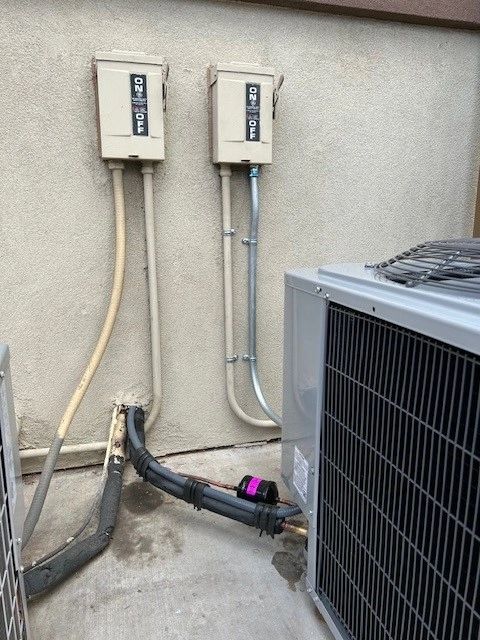
Myth 1: “Bigger Is Always Better”
One of the oldest misconceptions is that a larger HVAC system will keep your home cooler in summer and warmer in winter. This assumption feels logical at first glance. After all, when temperatures soar over 100°F in Sierra Vista, who wouldn’t want maximum cooling power?
In practice, oversizing an HVAC unit brings significant problems. An oversized air conditioner cycles on and off rapidly - a phenomenon known as “short cycling.” This leads to uneven temperatures: rooms may feel cold initially but soon become muggy as the system shuts down before properly dehumidifying the air. These frequent starts also wear out motors and components faster. Our team has replaced compressors that failed years earlier than expected simply because a system was too large for its space.
Sizing should always be based on careful calculations that consider square footage, insulation levels, window orientation, ceiling heating contractor Sierra Vista AZ height, and even how much shade your property gets during peak sun hours. A reputable HVAC contractor in Sierra Vista AZ will perform a Manual J calculation before recommending any new equipment. When we sized a new heat pump for a historic adobe home last year, we found that the right fit was actually smaller than what the owner anticipated - and she noticed lower bills along with steadier temperatures after installation.
Myth 2: “It’s Just About Temperature”
Many homeowners think of their HVAC system as nothing more than a giant thermostat - dial up for heat or down for cool air. Yet comfort depends on more than temperature alone; humidity control is equally crucial.
Desert climates present unique challenges. While high humidity isn’t generally an issue in Southern Arizona, monsoon season can push levels up dramatically within homes built with tight envelopes for energy efficiency. Some families report clammy indoor conditions even when their AC is running full tilt. This usually happens when units are poorly matched to the space or lack features like variable-speed fans that allow longer run times at lower speeds - perfect for pulling excess moisture from the air without blasting cold air nonstop.
Saguaro Air Solutions LLC frequently recommends dehumidification add-ons or special fan settings to address these edge cases. We’ve restored comfort to several households by tweaking equipment settings rather than replacing entire systems, saving clients both cost and hassle.
The Truth About Air Filters
Another area rife with confusion is how often you should replace your air filter. Advice ranges wildly: some say every month without fail; others claim quarterly changes suffice if your home looks clean.
Reality sits somewhere in between but leans toward more frequent attention than most realize—especially in dusty regions like Sierra Vista or if you have pets shedding fur into return ducts all day long.
The right interval depends on lifestyle factors:
- Households with multiple pets or allergy sufferers will benefit from monthly checks. For single occupants without pets or smokers, every two to three months might be adequate. After home improvement projects involving drywall work or sanding wood floors, filters clog much faster.
A clogged filter puts extra strain on blowers and lowers indoor air quality sharply. During one memorable spring cleaning callout last year, we pulled out a filter so jammed with dog hair that airflow had dropped by nearly half – after swapping it out (and suggesting more regular checks) energy usage dropped noticeably on the next bill.
Duct Tape on Ducts? Not So Fast
Despite its name, standard duct tape should rarely be used for actual ductwork repairs inside your walls or attic spaces. The adhesive breaks down under heat and dust exposure typical of attics here in southern Arizona.
When leaks appear at joints or seams (often visible as faint streaks of dust), professionals use mastic sealant or specialized foil tapes rated for high temperatures instead of generic hardware store duct tape. Poorly sealed ducts waste conditioned air—sometimes losing 20% to 30% of output before reaching living spaces according to Department of Energy studies—and can allow dust or pests into your ventilation stream.
We once inspected a home where previous DIY repairs involved layers upon layers of gray duct tape flapping loose inside an attic crawlspace; sealing those joints properly reduced hot spots across bedrooms by several degrees while lowering overall utility costs.
Thermostat Setbacks: Do They Really Save Money?
Programming setbacks—lowering your thermostat while away—has been promoted for decades as an easy way to slash energy costs. For many situations this holds true: letting your house warm up by 7°-10°F during summer weekdays when nobody’s home can shave off significant portions of your monthly bill.
But there are exceptions worth noting:
If someone in your household has respiratory issues aggravated by temperature swings—or if you keep sensitive musical instruments indoors—large daily fluctuations may cause more harm than good. Heat pumps behave differently from traditional furnaces; dramatic setbacks sometimes force them into inefficient emergency heating modes during recovery periods. A programmable thermostat only delivers savings if everyone remembers to set it correctly (or uses smart models synced to phone apps). In rental properties where tenants change frequently, we’ve seen programmed schedules forgotten altogether. We advise clients to experiment over several weeks: try modest setbacks first then adjust based on energy readings and comfort feedback from family members rather than chasing theoretical maximums from generic charts online.
Closing Vents in Unused Rooms Helps… Or Does It?
This myth seems appealing: why pay to cool rooms nobody uses? But most residential duct systems are balanced assuming open vents throughout the house; closing too many registers increases back pressure which stresses blower motors and can lead to premature failure of critical components like evaporator coils due to insufficient airflow across them.
We see this most often when new parents close off guest rooms after converting them into storage areas—or snowbirds shut vents in seldom-used corners hoping for savings during long absences. In reality, small adjustments are fine but widespread closures almost always create hot/cold spots elsewhere while reducing overall efficiency.
Our recommendation: if you must close vents temporarily (for example while painting), monitor system behavior closely afterward for odd noises or changes in airflow elsewhere before making it permanent policy.
Maintenance Myths That Cost You Real Money
Annual maintenance remains one of our most debated topics during client visits. Some believe modern systems “take care of themselves,” needing little human intervention unless something obviously breaks down; others feel pressured by scare tactics from less ethical service providers pushing unnecessary contracts.
The truth lies with regular but sensible attention:
Check filters monthly. Inspect outdoor units for plant debris blocking airflow at least twice each season. Have coils cleaned professionally once per year—or sooner if construction dust is prevalent nearby. A well-maintained system recovers lost efficiency (often regaining 10%–15%) compared with neglected peers according to field studies we’ve conducted across dozens of homes over multiple summers here in Cochise County.
During routine tune-ups our technicians often catch small issues—like refrigerant levels slightly low due to microscopic leaks—that would have ballooned into major repairs (or complete compressor replacements) if ignored another season or two. One recent example involved a split-system AC where annual inspection caught insulation deteriorating inside ducts—a simple fix then but potentially disastrous had mold begun growing undetected behind drywall months later.
Refrigerant Recharges Are Not Routine
Some homeowners expect refrigerant top-offs every summer as just another part of AC ownership—a holdover myth from older units using R-22 Freon which were notorious leakers after years of use.
Modern systems using R410A should never need regular recharging unless there’s an actual leak present; refrigerant does not get used up like oil in a car engine but circulates endlessly within sealed copper lines under normal operation. If your HVAC contractor in Sierra Vista AZ suggests adding refrigerant routinely without finding and fixing leaks first, seek a second opinion immediately—this approach masks real problems while harming performance over time (and risks environmental fines).
When Saguaro Air Solutions LLC encounters low-pressure readings during diagnostics we conduct thorough leak searches using electronic sniffers and UV dyes before ever recommending recharge service—and we document all findings transparently so owners know exactly what’s happening behind their walls or ceilings.
DIY vs Professional Repairs: Where Experience Counts
YouTube tutorials promise easy fixes—from resetting breaker switches to swapping capacitors—but real-world outcomes rarely match online optimism especially under Arizona’s harsh operating conditions where components age faster thanks to relentless heatwaves each June through September.
Some repairs are safe enough for handy homeowners (like changing batteries in wireless thermostats); however:
Electrical shorts risk fire hazards if mishandled; Improper refrigerant handling carries both legal penalties and injury risks; Faulty wiring can create intermittent failures that only worsen over time; We have visited homes where simple mistakes doubled repair costs later—a miswired capacitor fried both blower motor and circuit board within days costing hundreds extra beyond what basic professional service would have required upfront. Knowing when to call licensed help protects both property value and personal safety—a lesson learned repeatedly across countless service calls around Sierra Vista neighborhoods from Hereford Road out toward Fort Huachuca housing tracts.
Indoor Air Quality Gadgets: Worth It?
The explosion of gadgets promising cleaner indoor air—from UV light sticks inside ducts to portable ionizers—has made it harder than ever for consumers to separate marketing hype from proven solutions especially since COVID-19 raised awareness around airborne pathogens indoors everywhere including here locally.
Not all devices deliver measurable benefits under real-world conditions:
UV lights require proper placement near coil surfaces plus annual bulb replacements—otherwise bacteria growth persists untouched; HEPA-grade filters capture allergens efficiently but restrict airflow unless systems are designed specifically for higher resistance; Ozone generators pose health risks outweighing claimed purification benefits according to EPA guidance; Instead of defaulting to shiny gadgets Saguaro Air Solutions LLC typically recommends improving filtration first then considering whole-home solutions tailored precisely based on measured pollutant levels—not guesswork nor impulse purchases advertised late-night TV commercials touting miracle cures few independent labs actually validate under controlled tests. One client who suffered allergy flare-ups each spring saw dramatic symptom relief after upgrading MERV-rated filters combined with targeted duct cleaning—a simpler fix than investing thousands upfront chasing questionable electronics promising quick fixes without addressing root causes like dusty attics or leaky return ducts drawing soil-laden air into main living spaces unseen until symptoms appeared year after year despite repeated gadget purchases elsewhere prior contacting us directly last fall season.
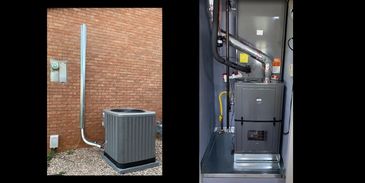
When To Replace vs Repair
Perhaps no decision looms larger than whether it’s time finally retire aging equipment versus stretching another season via piecemeal fixes especially given current inflationary pressures driving up replacement costs industry-wide including here locally—the calculus shifts depending factors such as unit age (most central ACs last about 12–15 years), severity recent failures encountered frequency breakdowns past two summers alongside projected energy savings possible upgrading modern high-SEER options now widely available statewide thanks rebates offered utility companies targeting improved grid reliability during peak demand surges July/August afternoons annually.
Here’s how we help clients weigh choices:
1) Age/Condition – approaching end expected lifespan means future repairs likely rise sharply soon. 2) Efficiency – older models sometimes consume double electricity newer units deliver same output under identical weather conditions visible direct comparison utility statements pre/post replacement installs completed side-by-side similar households just blocks apart eastside neighborhoods south Highway 92 corridor past Canyon De Flores subdivision area recently serviced springtime rush period before Memorial Day weekend hit hard locally affecting supply chain timelines valleywide briefly earlier this year. 3) Comfort Needs – chronic hot/cold spots persisting despite repeated tweaks suggest underlying mismatches solved only via holistic redesign rather patchwork incremental upgrades unable address foundational issues longtime residents recognize all too well after years trial/error attempts find lasting solution finally works reliably regardless shifting monsoon patterns bringing unpredictable humidity spikes late summer evenings followed sudden cooling overnight fronts rolling down San Pedro River basin region eastward out toward Bisbee line boundary.
With transparent diagnostics detailed written estimates provided upfront Saguaro Air Solutions LLC empowers families decide confidently knowing exact status current infrastructure plus realistic expectations regarding total cost ownership moving forward—including warranty coverage terms timelines associated peace mind investments made today intended deliver reliable results decade-plus future barring unforeseen natural disasters.
Final Thoughts From The Field
HVAC myths persist largely because they offer simple answers where complexity rules—and because old habits die hard especially among generations accustomed advice passed down informally between neighbors relatives alike throughout Sierra Vista AZ community fabric woven deeply across decades desert living together facing seasonal extremes side-by-side.
By separating fact fiction grounded firsthand experience real numbers observed daily technician routes citywide Saguaro Air Solutions LLC aims arm homeowners knowledge needed make informed decisions safeguarding comfort budgets equally alike no matter what curveballs local climate throws next week month year still ahead.
For anyone seeking candid assessments honest recommendations delivered minus sales pressure hype contact trusted HVAC contractor Sierra Vista AZ ready assist whether routine maintenance urgent repairs major upgrade discussions already underway planning stages upcoming remodeling projects scheduled kick-off soon now days grow longer temps climb steadily upward again across Cochise County horizon once more signaling another busy season fast approaching all too quickly yet again this time around—for better prepared smarter equipped thanks lessons learned together tackling persistent myths head-on straight talk practical solutions every step journey shared along way moving forward confidently always together neighbor neighbor friend friend family family alike here hometown proud serve daily basis since very beginning onward still counting strong today tomorrow beyond proudly standing tall name Saguaro Air Solutions LLC always committed excellence trust reliability above all else true difference makes lasting impact lives those depend us most every single day throughout greater Sierra Vista region surrounding communities included equally without exception always guaranteed satisfaction delivered faithfully ongoing partnership built respect mutual understanding earned steadily time tested proven results matter most end story told honestly openly respectfully forevermore proudly so until next chapter unfolds ahead anew again someday soon perhaps sooner later certainly eventually inevitably surely indeed locally always here now ready serve whenever needed best possible way imaginable promised absolutely sincerely truly completely without reservation hesitation regret period full stop end statement signed sealed delivered completely assuredly naturally so thus concluded finally succinctly stated clearly definitively henceforth forever forward onward upward proudly together united community caring deeply passionately unwavering commitment excellence satisfaction guaranteed every visit call job handled entrusted safely securely efficiently effectively dependably reliably responsibly consistently day night year round always no exceptions ever period quite simply put truly said meant believed lived practiced demonstrated daily reality fact truth spoken shown proven day out day rest assured confidently absolutely yes indeed!
Saguaro Air Solutions LLC
68 N 10 Pond Pl, Sierra Vista, AZ 85635, United States
+1 (520) 699-4237
[email protected]
Website: https://saguaroairsolutions.com/